About
The people doing the work usually have the answers
Better Everyday helps manufacturing leaders build businesses where people take ownership and problems get solved where they happen.
Who I am
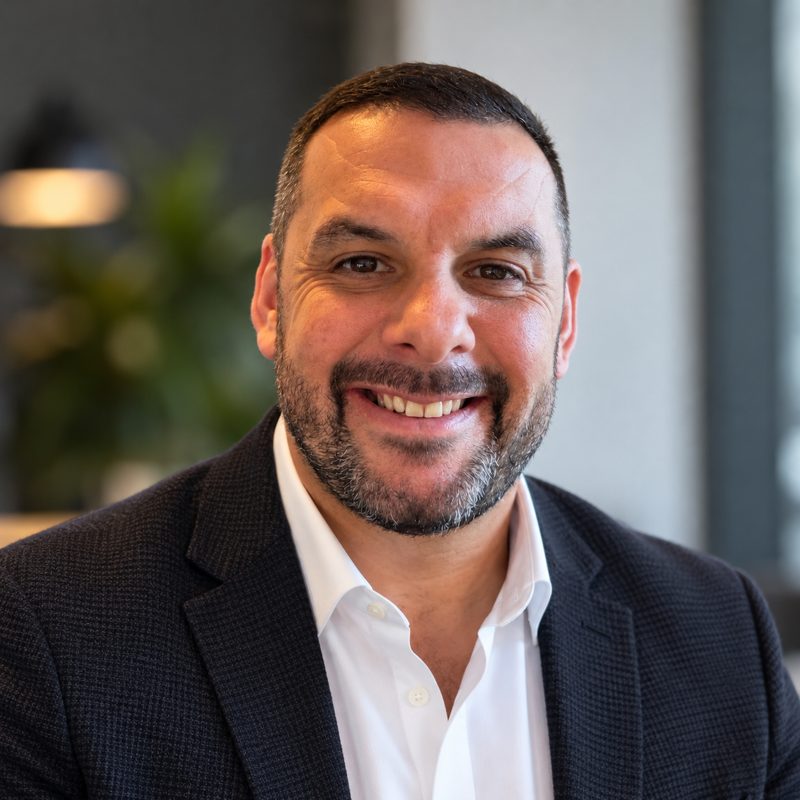
Ash Latham
Long before I knew it had a name, I was improving the way work got done. In every operational job I had, I'd find myself thinking there had to be a better way, and then working it out.
At Virgin Media I found out it was a profession. They had their own Lean Six Sigma academy, and it just made sense to me. I'd been doing it for years. I got involved, then made it my full-time job.
Over the next 15 years I did that work across heavy manufacturing, waste processing, engineering, telecoms, rail and financial services, in-house and as a consultant. Every role taught me something new about how businesses really work.
What changed my approach
At best, the wrong way round
Over time I noticed something uncomfortable. I'd been passionate about improvement because I'd done it myself, as the person who understood the work. Yet here I was, going into businesses and telling the people who do the work how to do it better.
So I changed my approach and started coaching. What I've seen since is that the people in a business usually already have the answers. What gets in the way is rarely skill. It's culture. If someone's been made to feel silly for suggesting an idea, it doesn't take long for everyone to stop putting their hand up. Nobody means for that to happen, but it does.
That's why I started Better Everyday. To be a partner that builds that ownership, rather than one that remaps a process because that's what the business thinks it needs.
What Better Everyday believes
Five principles behind the work
People don't resist change. They resist being changed.
Especially when nobody has explained why. So the work always starts by getting everyone agreed on the problem we're trying to fix. Once that's clear, most of the resistance disappears.
Better means different things to different people
Never assume the leadership team is already on the same page. Usually they're not.
Principles first, tools second
When improvement is led by tools, using the tool becomes the goal. The aim is principles you can see working in the operation every day, using tools only where they solve a real problem.
Lead people, manage things
Processes and systems need managing. People need leading.
If you have to call us back for the same problem, we've failed
Every piece of work is designed to build capability in your team, so the improvements last.
Outside work
I'm a dad of three, and that's the job I take most seriously. We moved to Portadown from Blackpool around six years ago. When I'm not with the family, you'll find me at the gym or with a book.
Let's talk
If any of this sounds like the way you want your business to work, book a 30-minute call. No pitch, no obligation.